Industries
Home » Industries
Internet of Things
Internet of Things
IOT, or the Internet of Things, has revolutionized the way in which we connect diverse objects and devices to the Internet, from domestic appliances to automobiles. This interconnected world enables seamless communication between people, processes, and objects, thereby enhancing productivity and efficiency.
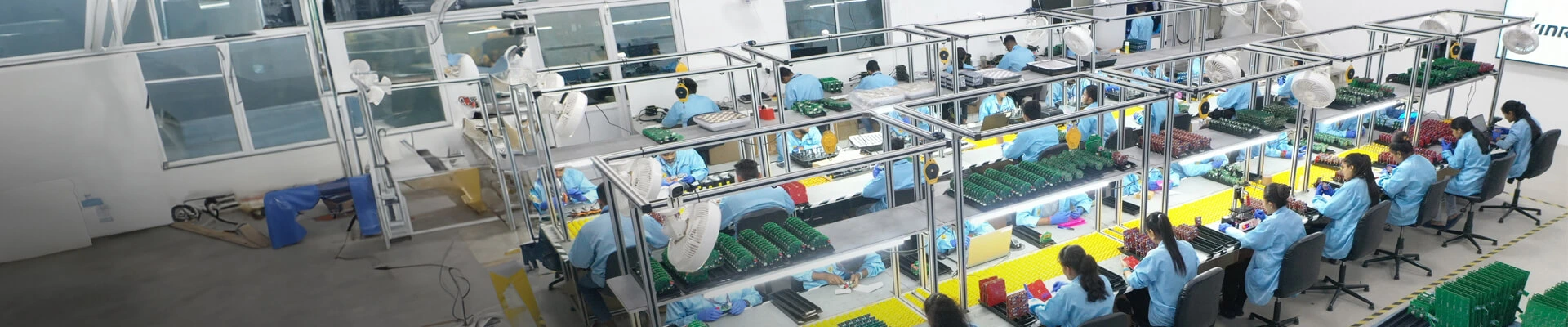
IoT applications span numerous industries, including healthcare, manufacturing, and transportation, among others. In healthcare, for instance, IoT devices can be used to remotely monitor patients, collect data on their health, and transmit emergency alerts to healthcare providers. In the manufacturing industry, Internet of Things sensors can be used to manage inventory, monitor equipment performance, and optimize production processes.
Healthcare Industry
Healthcare Industry
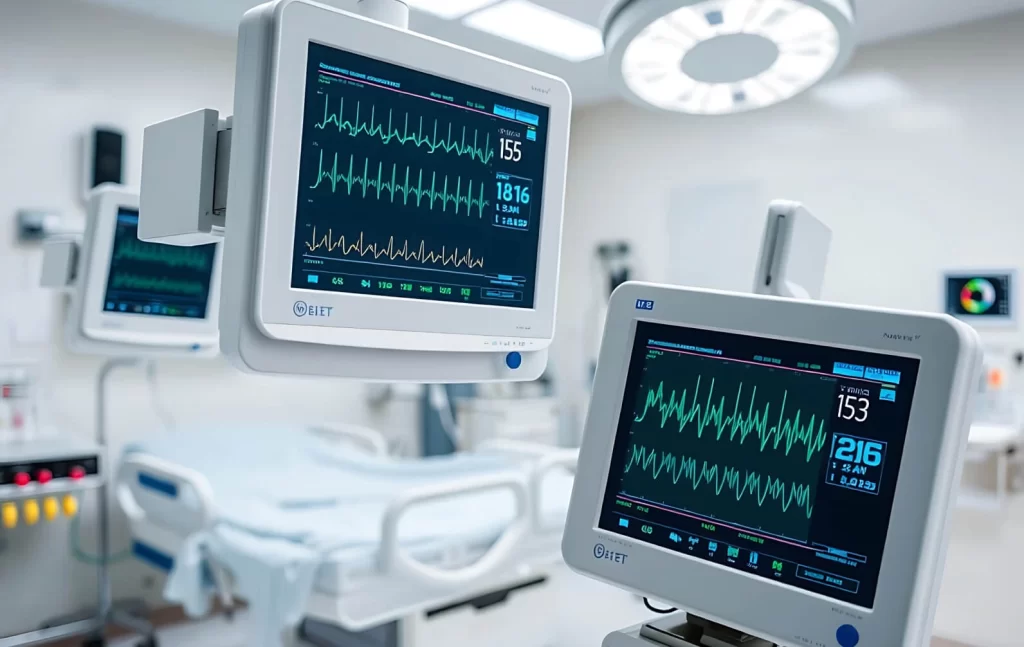
The healthcare industry is an integrated system that offers devices, goods, and services to enhance individuals' health. It includes hospitals, clinics, nursing homes, and home healthcare providers, among other organizations that cater to the requirements of patients. The industry is regarded as one of the fastest growing in the world and contributes significantly to the nation's economy.
The healthcare industry has experienced rapid growth and advancements in recent years, especially in the development of innovative technologies and medical equipment that enhance patient outcomes. These developments have also resulted in a rise in demand for healthcare services, especially in light of the aging population and the prevalence of chronic diseases.
Industrial Control
Industrial Control
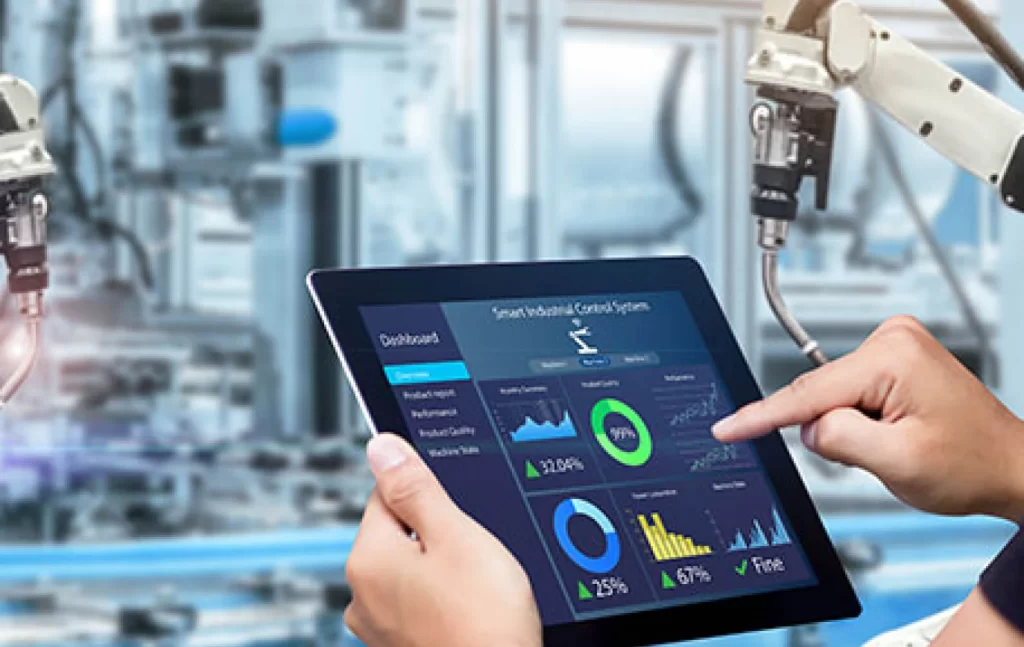
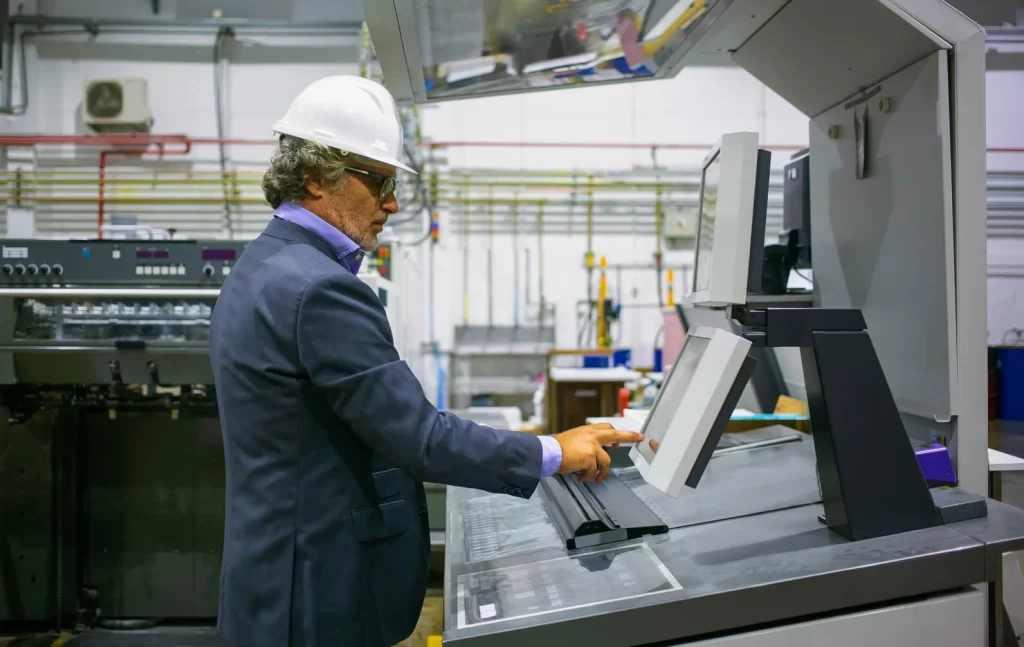
Industrial control systems are an essential component of industrial process control, consisting of electronic control systems and instrumentation that allow for precise and efficient control of industrial processes. These systems are intended to increase production efficiency, quality, and safety by reducing production costs and streamlining production flow. An important component of industrial control systems is the interactive Discrete Control System (DCS), which can receive data from Process Variables (PV), compare the collected data with set points (SP), and generate the command function that controls the process via final control elements.
Defense & Aerospace
Defense & Aerospace
The aerospace industry is a diverse and high-tech sector that plays a critical role in industrial, commercial, and military applications. It involves the production of a wide range of flight vehicles, including aircraft, spacecraft, guided missiles, and propulsion units, among other associated components.
The aerospace industry is responsible for conducting research, development, and production of these flight vehicles, ranging from unpowered gliders and sailplanes to unmanned aerial vehicles (UAVs), lighter-than-air crafts, and heavier-than-air crafts, including fixed-wing and rotary-wing aircraft. Additionally, the industry produces missiles, space launch vehicles, and both manned and unmanned spacecraft.
Automotive
Automotive
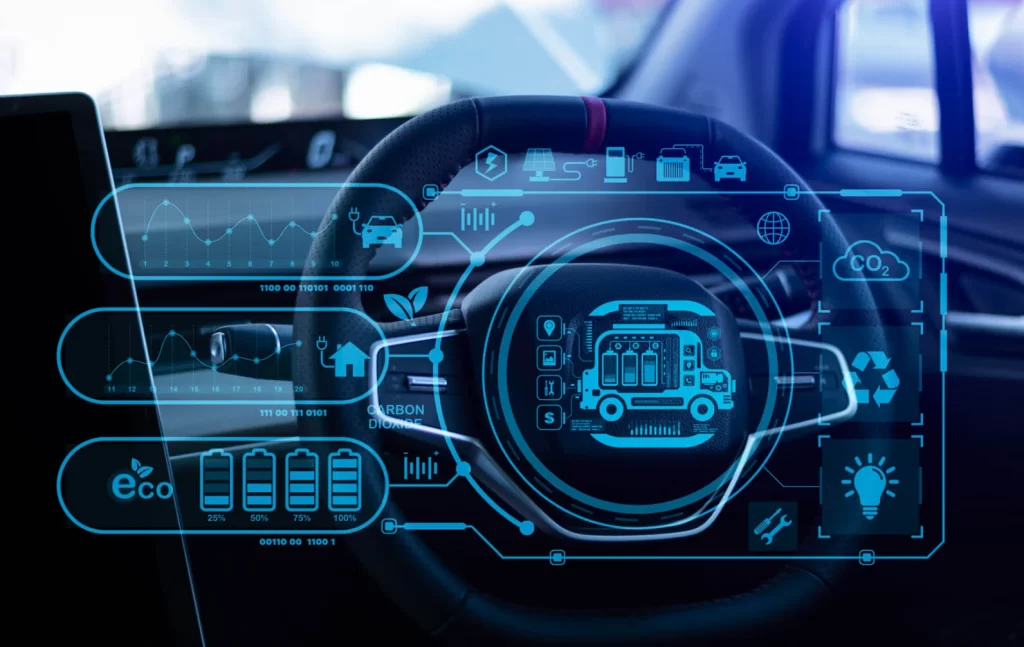
In addition to being the largest revenue-generating industry, the automotive industry is also one of the largest investors in research and development. The industry traces back its origins to the 1880s, when manufacturers began producing carriages without horses. Currently, the Automotive industry includes the production of motor vehicles and their components, such as engines and bodies, but excludes the manufacture of batteries, gasoline, and tires.
Passenger vehicles, light trucks, SUVs, vans, and other related vehicles are the primary products of the Automotive industry. However, the early days of the industry were radically different than they are today. In the early days of the automobile industry, the majority of companies were small businesses that produced a handful of handcrafted vehicles. Sadly, due to a dearth of demand, a number of these businesses were abandoned.
Communication industry

Communication industry
The communication industry is essentially the business of transmitting information, particularly through mass communication channels. Its origins can be traced back to the 15th century in Europe, when the printing press was developed for mass production of books and newspapers, enabling the dissemination of information to a wider audience.
Since then, the communication industry has grown exponentially, with the advent of radio, television, and the internet. It has become an essential part of modern society, as it allows individuals and organizations to share ideas, opinions, news, and other types of information across the globe.
Surveillance
Surveillance
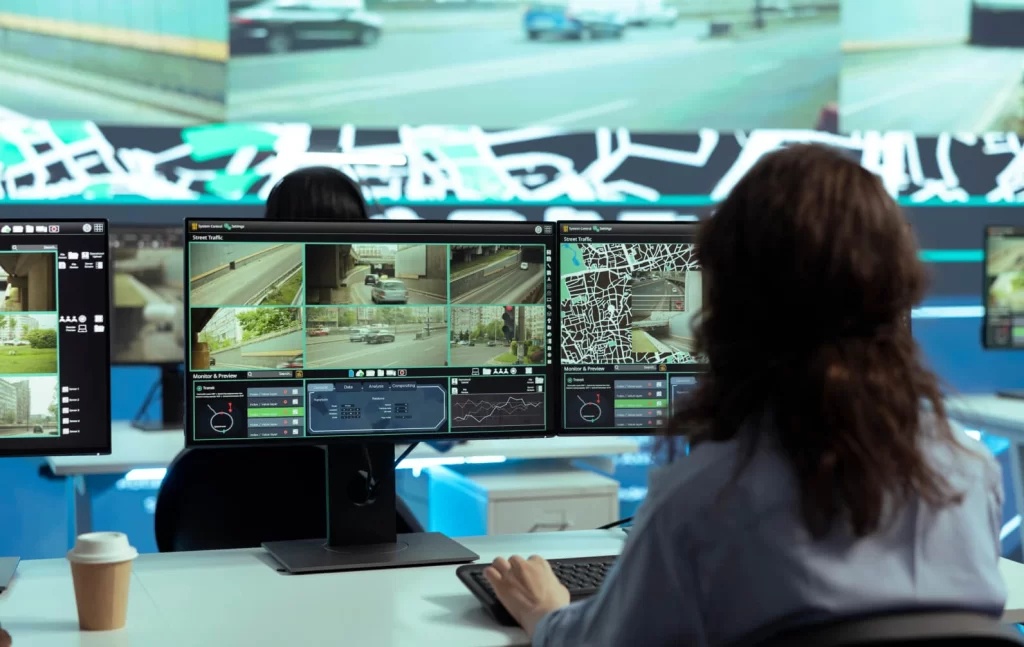
The rapid incorporation of new technological advancements and innovative solutions within the video surveillance industry contributes to the expansion of this industry. Advanced features such as cloud-based storage, artificial intelligence-powered video analytics, and remote access have made video surveillance more accessible and efficient for end users.
The surveillance industry is a rapidly expanding economic sector that offers essential security solutions to businesses, governments, and individuals. It includes a vast array of technologies, such as surveillance cameras, sensors, alarms, biometric scanners, and software applications, used to monitor and safeguard people, assets, and infrastructure.